Conviction at the Crossroads
The most enduring works of art are often met with resistance.
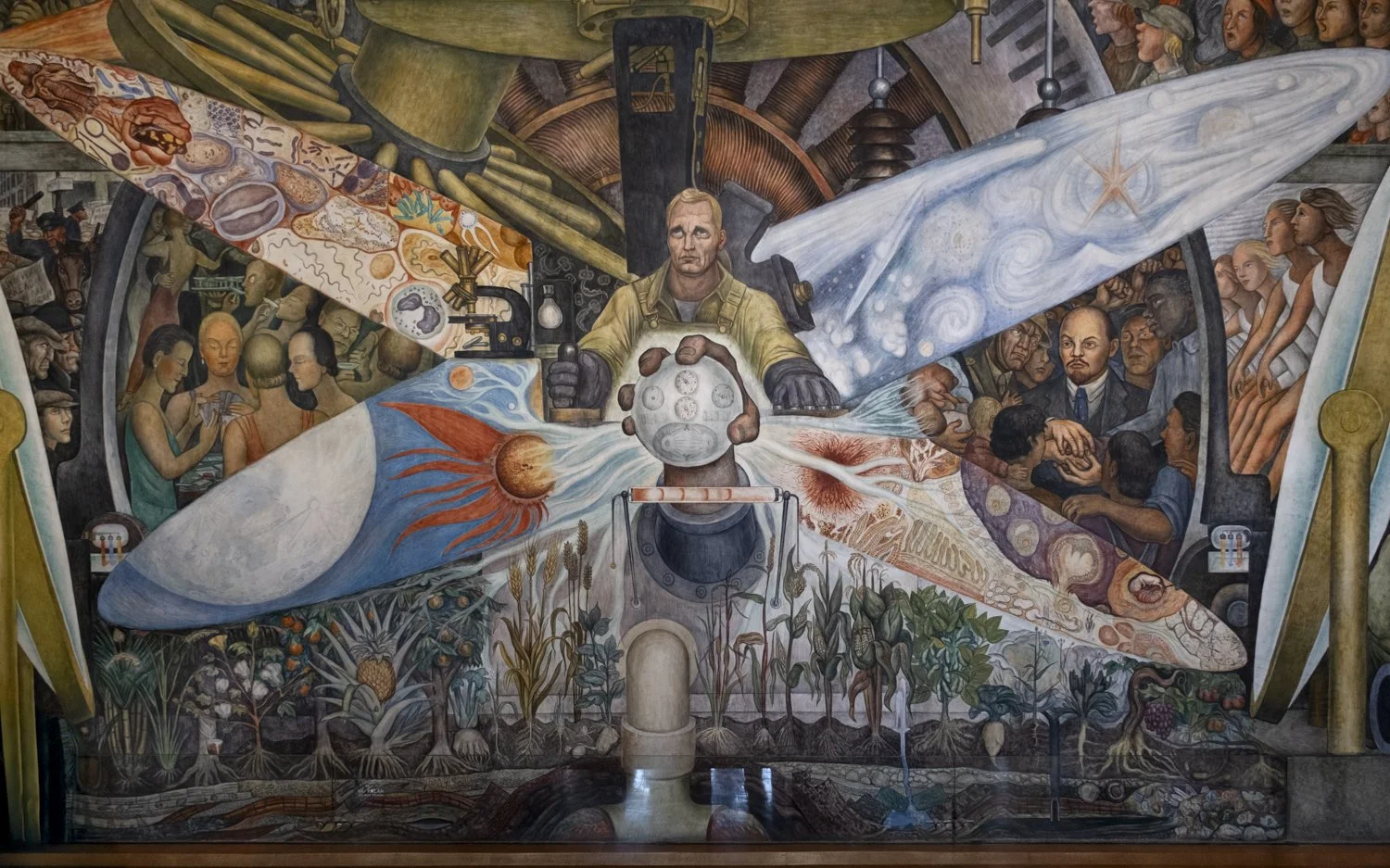
In 1933, at the height of his career, Diego Rivera was commissioned to create a mural for Rockefeller Center, which he called Man at the Crossroads. Before completion he was asked to alter the work because its political imagery was too controversial. Rather than compromise, he allowed this mural to be destroyed.
Years later, he recreated his vision in Mexico City's Palace of Fine Arts, with the title Man, Controller of the Universe. Standing before the mural, you're reminded that great creative work isn't simply the product of talent. It's also the product of conviction—the willingness to defend an idea when it matters most.
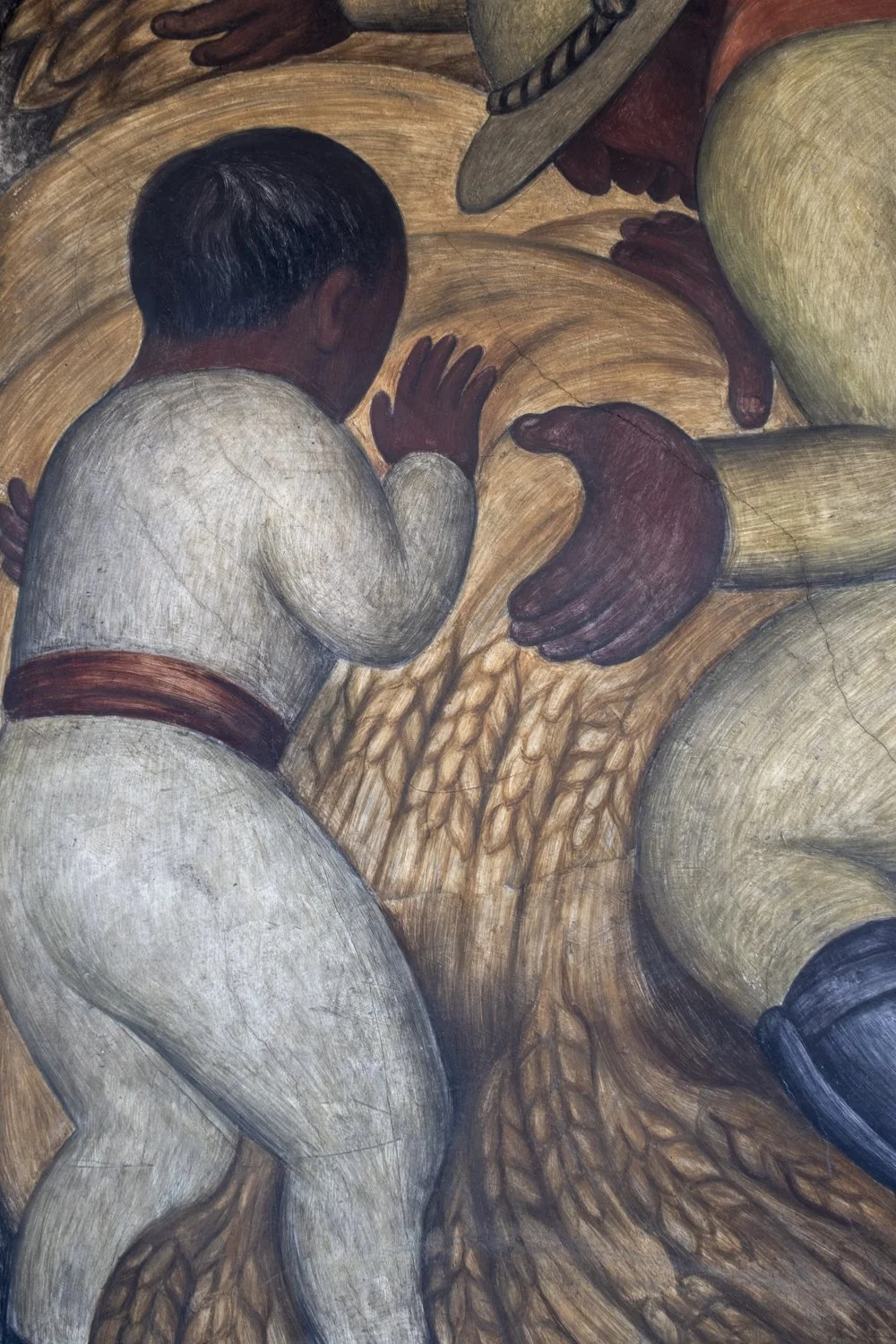
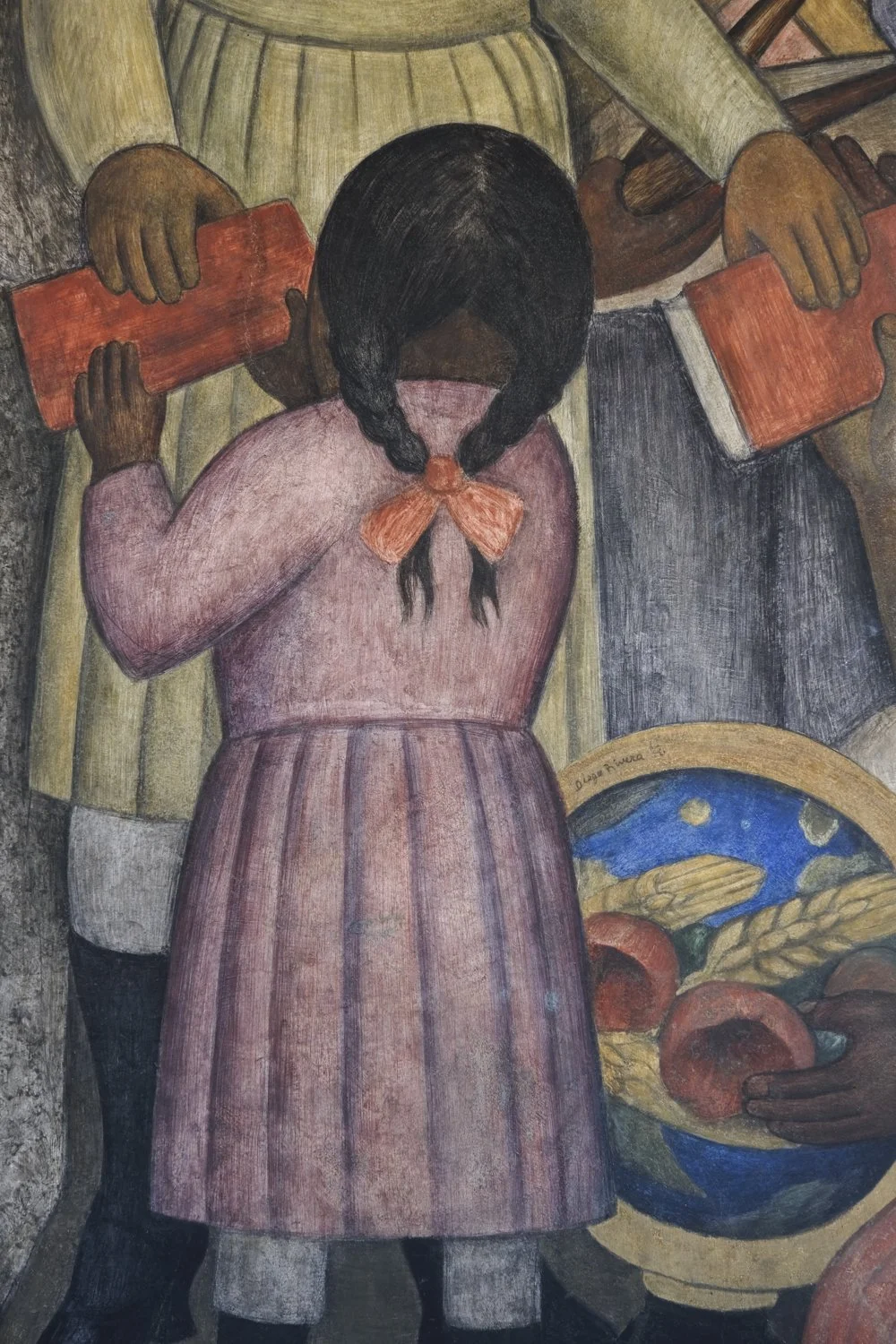
In the mural, Rivera confronts the exploitation of Indigenous peoples under colonial rule, questions the concentration of wealth and power, and imagines a future shaped by science, knowledge, and human potential. But the images that make me weep tears of joy are two portraits of Indigenous children—a son working the fields alongside his father, the lovingly braided pigtails of a daughter with her mother. To me they capture the artist’s enduring belief in the human spirit, and a world where equal opportunity transcends racial and social divides.